Background
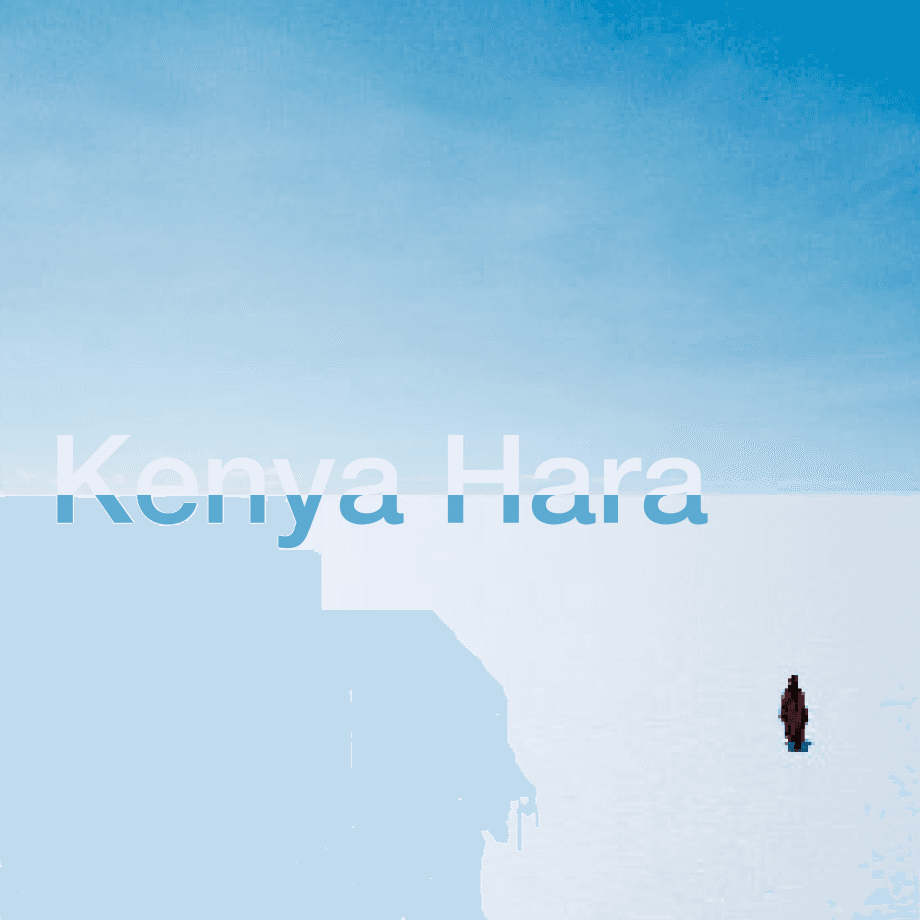
Wanting to evolve my visual design skills and deepen my understanding of art direction, I looked to the work of Kenya Hara for inspiration. Early in my design journey, I often reflected on my work and felt that many of my visual outputs were cluttered—overly focused on adding elements rather than shaping meaning through restraint.
This research project explored Hara's design philosophy, focusing on his use of emptiness as a generative design tool and his interpretation of form following function. Rather than viewing emptiness as something missing, Hara treats it as an active design material—creating space for interpretation, attention, and clarity.
Through studying his work and design principles, I examined how reduction, spatial balance, and intentional absence can strengthen communication and elevate visual hierarchy. The goal of this exploration was to better understand how simplicity and restraint can produce more thoughtful, impactful design.
This research ultimately informed how I approach visual composition in my own practice—encouraging me to design with greater intentionality, allowing form, space, and function to work together rather than competing for attention.